SAVED THE DATE

Date: 25th – 25th March, 2026

Location: Star Land Hotel, Yaoundé

Description

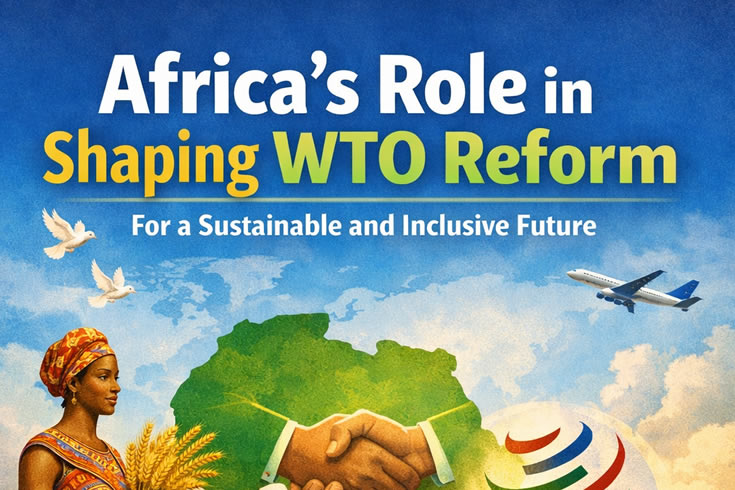
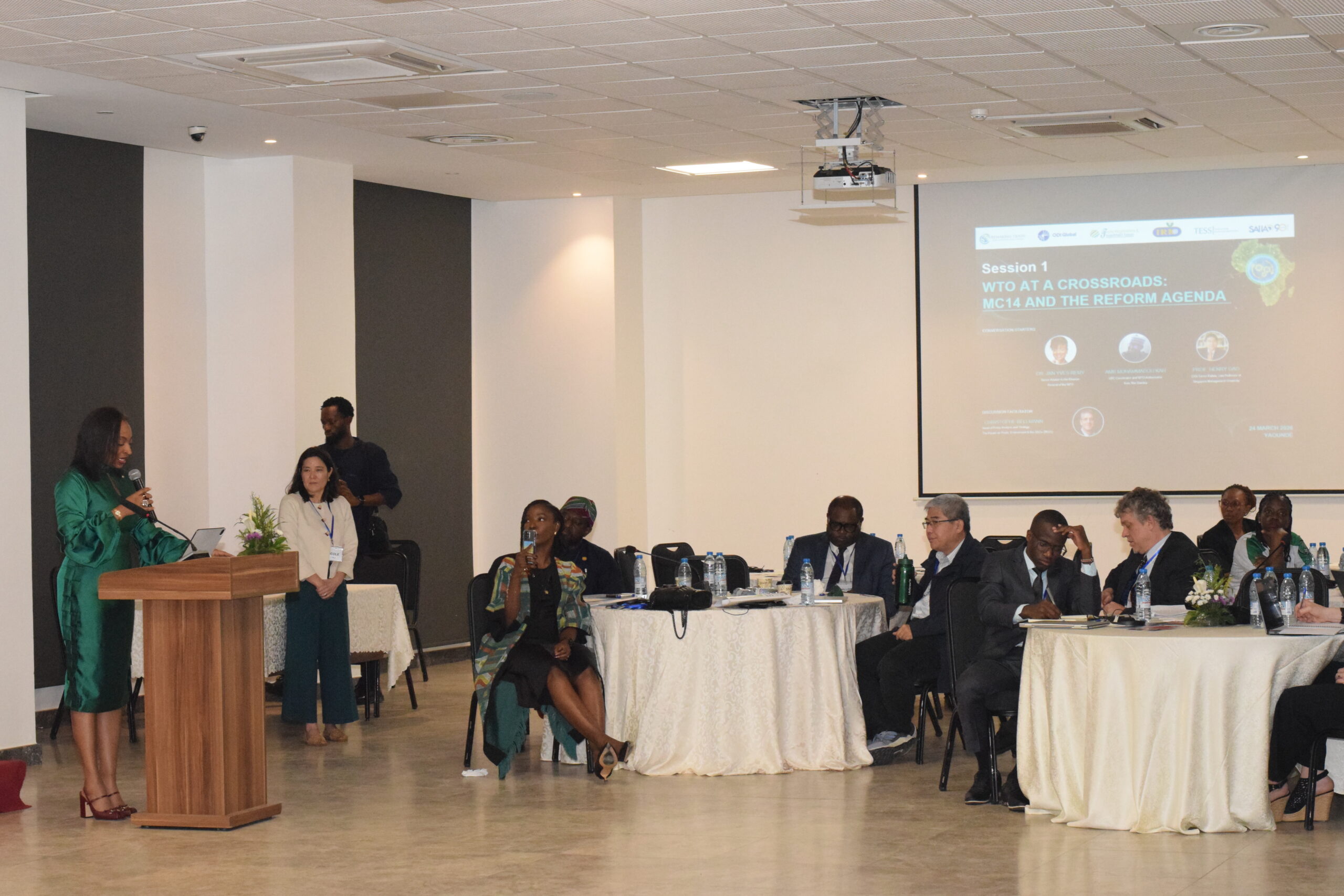
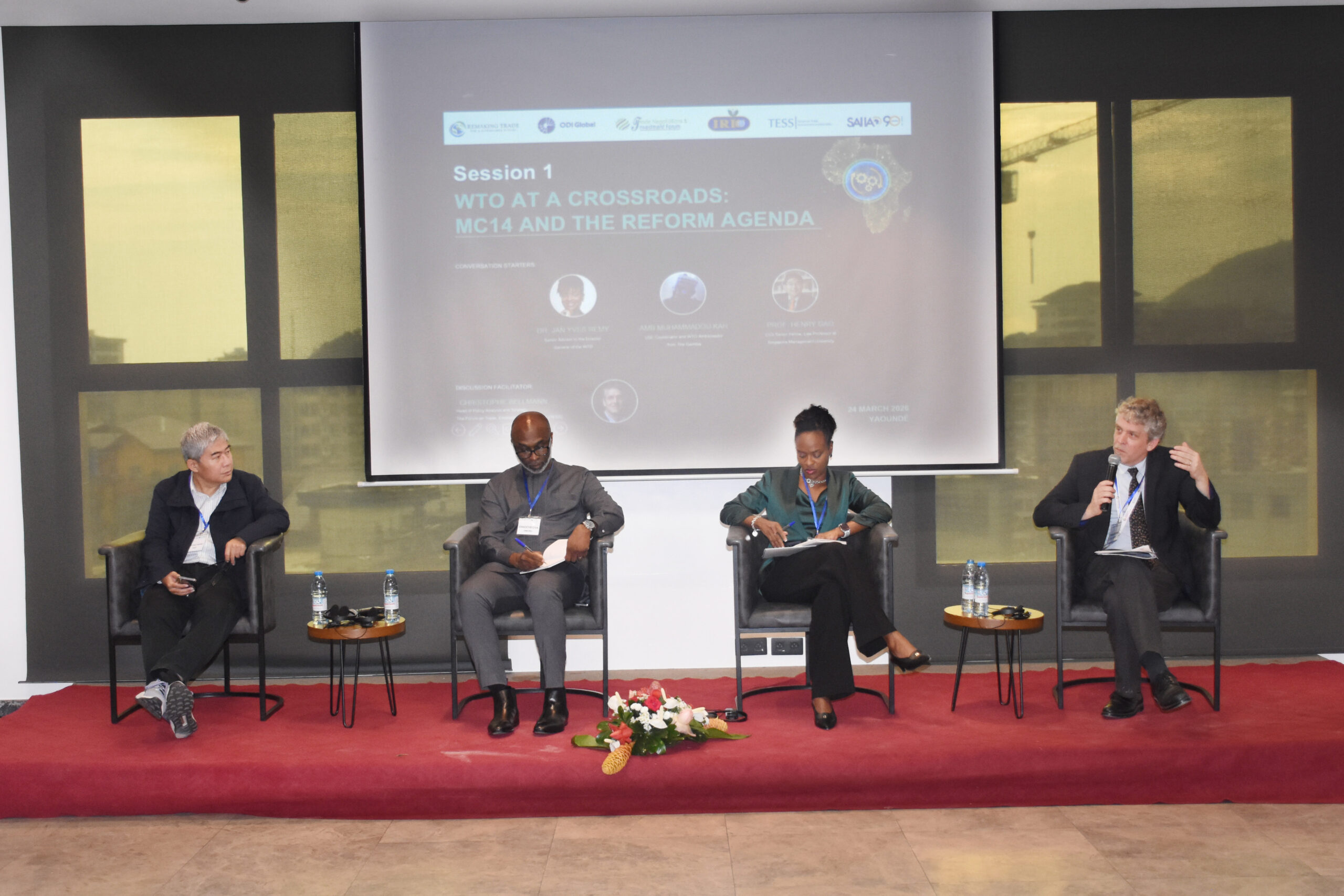
Thirty years after its establishment, the World Trade Organization (WTO) faces mounting pressures from geopolitical fragmentation, climate change, technological transformation, and persistent development asymmetries. While the multilateral trading system remains indispensable, its credibility and effectiveness increasingly depend on meaningful reform. This reality has been acknowledged by WTO Members through the structured reform process leading toward the Fourteenth WTO Ministerial Conference (MC14).

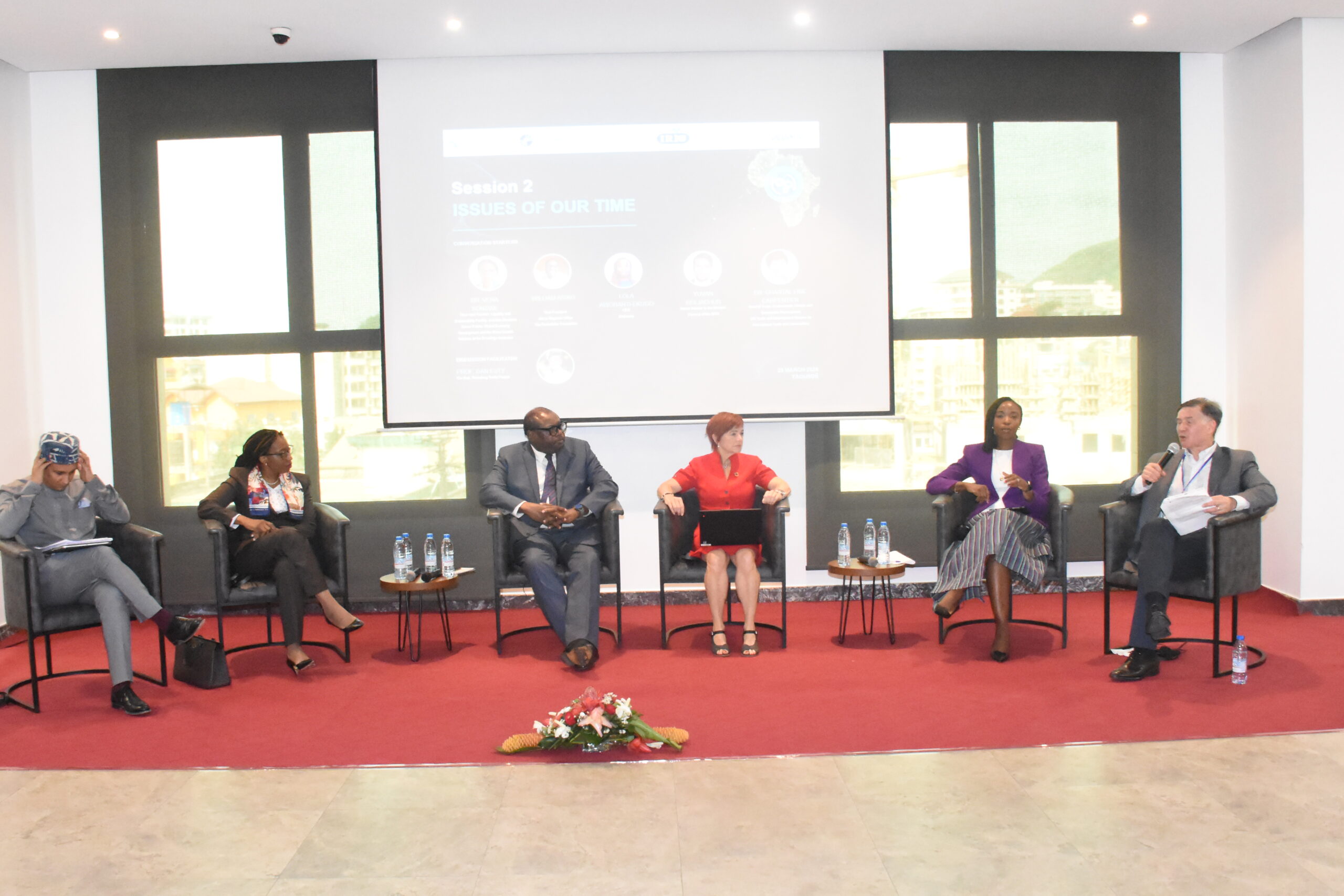
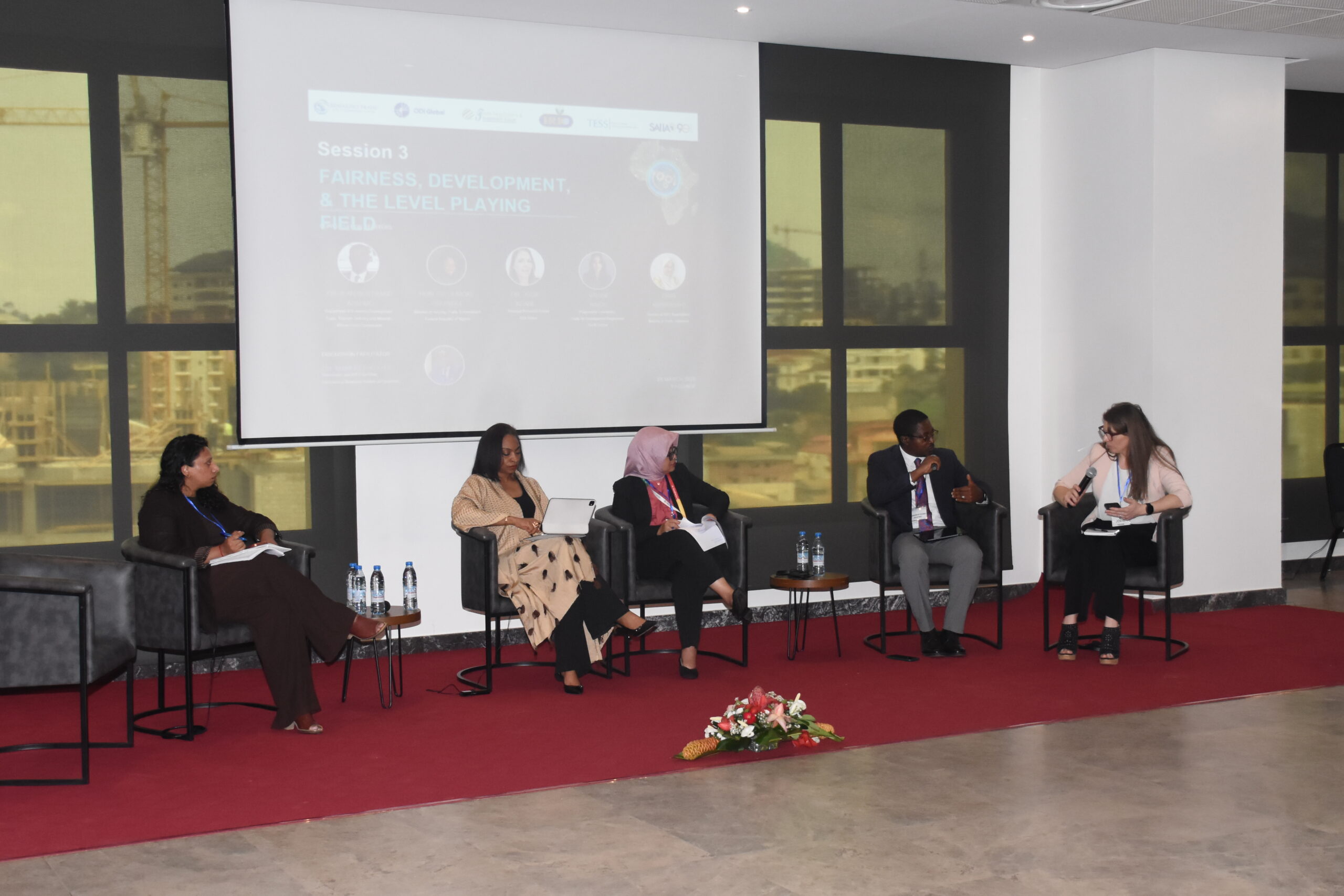
The December 2025 Report of the Facilitator on WTO Reform identifies three interlinked reform pillars: (i) governance and institutional reform, (ii) fairness and the level playing field, and (iii) issues of our time, including climate change, supply-chain resilience, digital trade, and artificial intelligence. Together, these pillars frame the choices Members will confront in shaping a trade system that is fit for contemporary economic, environmental, and development realities.

Key Outcomes

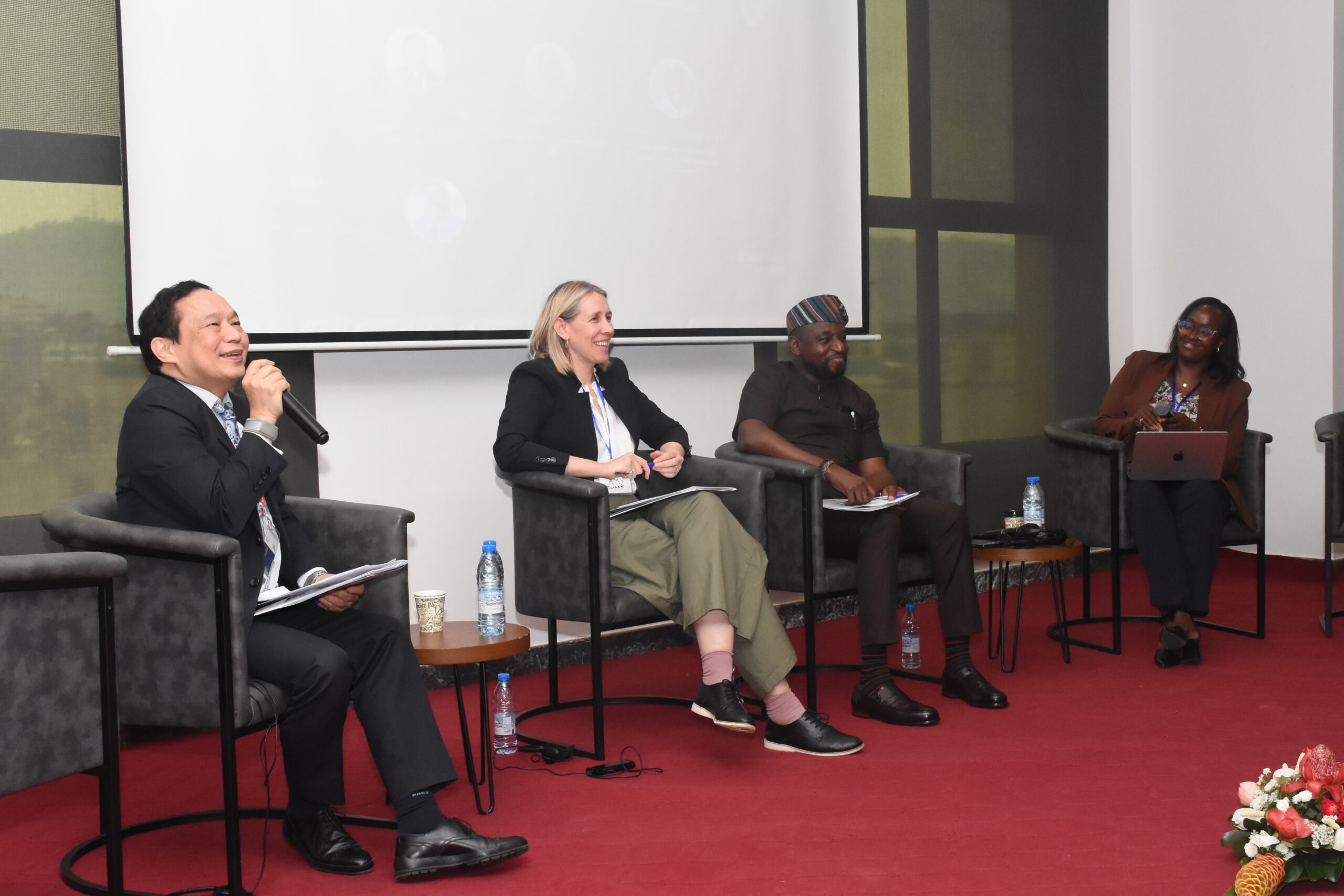
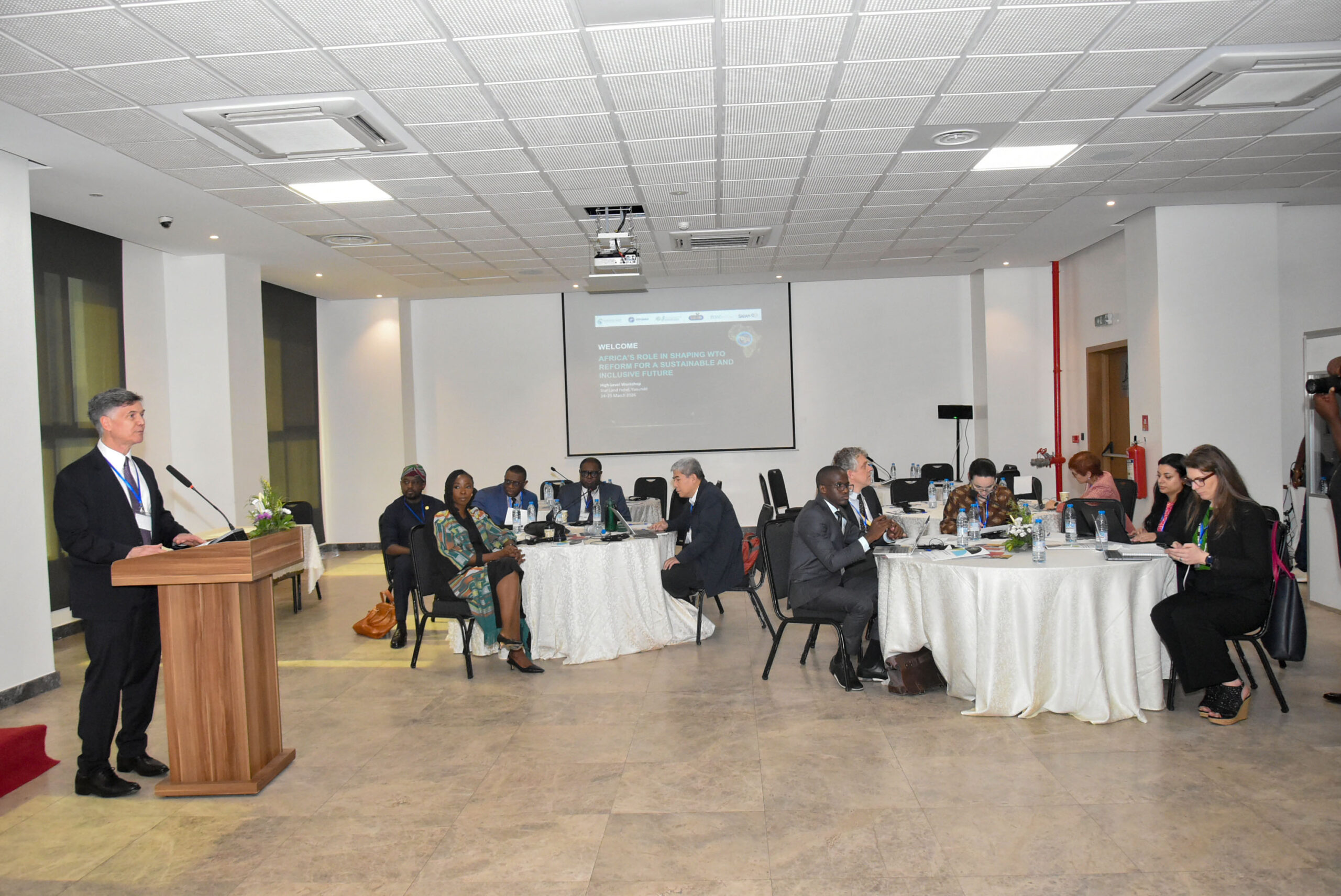
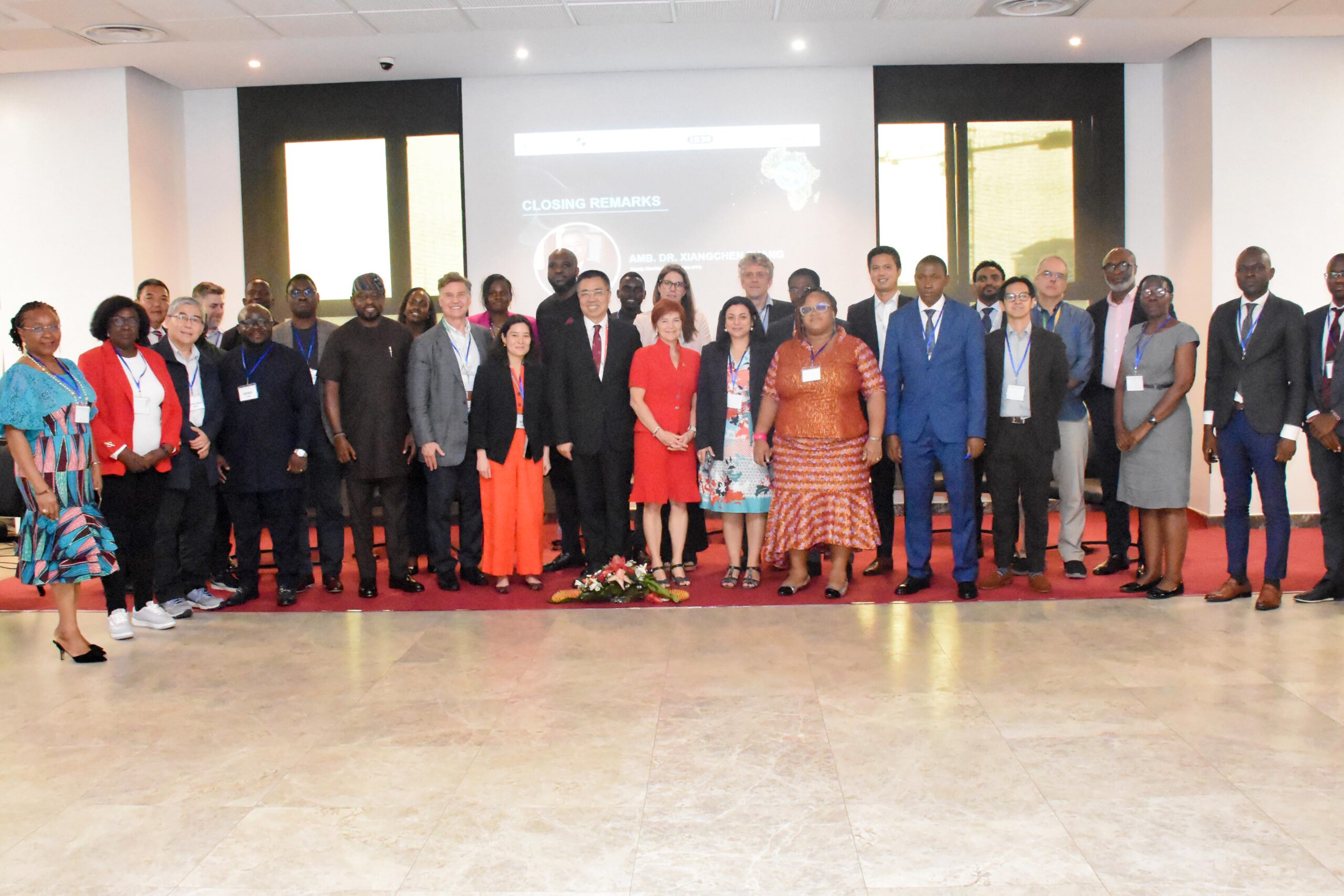
The discussions reaffirmed that the future of WTO reform must be shaped with fairness, development, and institutional legitimacy at its core. Across conversations on the “issues of our time” including policy space, green industrialization, digital trade, subsidies, technology transfer, and governance reform participants underscored both the complexity of the current moment and the urgency of centring African priorities in global trade rulemaking.

The convening strengthened a shared understanding that Africa must play a proactive role in shaping the future of the multilateral trading system, not as a rule‑taker, but as a co‑author of reform.

Our Partners